
• Call or text us now

    (519) 474-0220 Powered by Nexhealth

  • 1195 Hyde Park Rd.

    Unit 1, London, ON N6H 5K6

Stress-Free Dentist in London, ON | Smilo Family Dental

Tag: Fluoride Treatment

  • Family Dental Health Tips 2026: Essential Preventive Care

    Family Dental Health Tips 2026: Essential Preventive Care

    Table of Contents

    Family Dental Health Tips for London Families in 2026

    These family dental health tips for 2026 can help London families build strong oral health habits that last a lifetime. Our family dental care approach in London centers on simple, effective preventive dental care routines you can start today. As the Canadian Dental Association recommends, schedule your child’s first dental visit by age one for early childhood tooth decay prevention. Government of Canada guidelines stress brushing twice daily with fluoride toothpaste, flossing once a day, and choosing water over sugary drinks. For children at higher risk, ask about dental sealants and fluoride varnish. Making oral care a family activity turns healthy habits into lifelong cavity prevention. Gentle care, for every generation. When you prioritize family oral health, every checkup becomes a reason to smile.

    1. Build a Consistent Brushing Routine

    As part of family dental health tips 2026, building a consistent brushing routine is one of the most impactful preventive dental care routines your household can adopt. We believe that gentle, twice-daily habits set the stage for a lifetime of healthy smiles.

    According to the Canadian Dental Association, everyone should brush for two full minutes using a fluoride toothpaste. Proper technique means holding a soft-bristled brush at a 45-degree angle to the gums and using short, circular strokes to clean all tooth surfaces. For children, early childhood tooth decay prevention starts even before the first tooth appears, and our team at Smilo Family Dental suggests turning brushing into a fun daily ritual. Let your child choose a colourful brush, use a two-minute timer or a favourite song, and create a simple reward chart to celebrate consistency. Remember to swap out toothbrushes every three to four months, or sooner if the bristles look frayed.
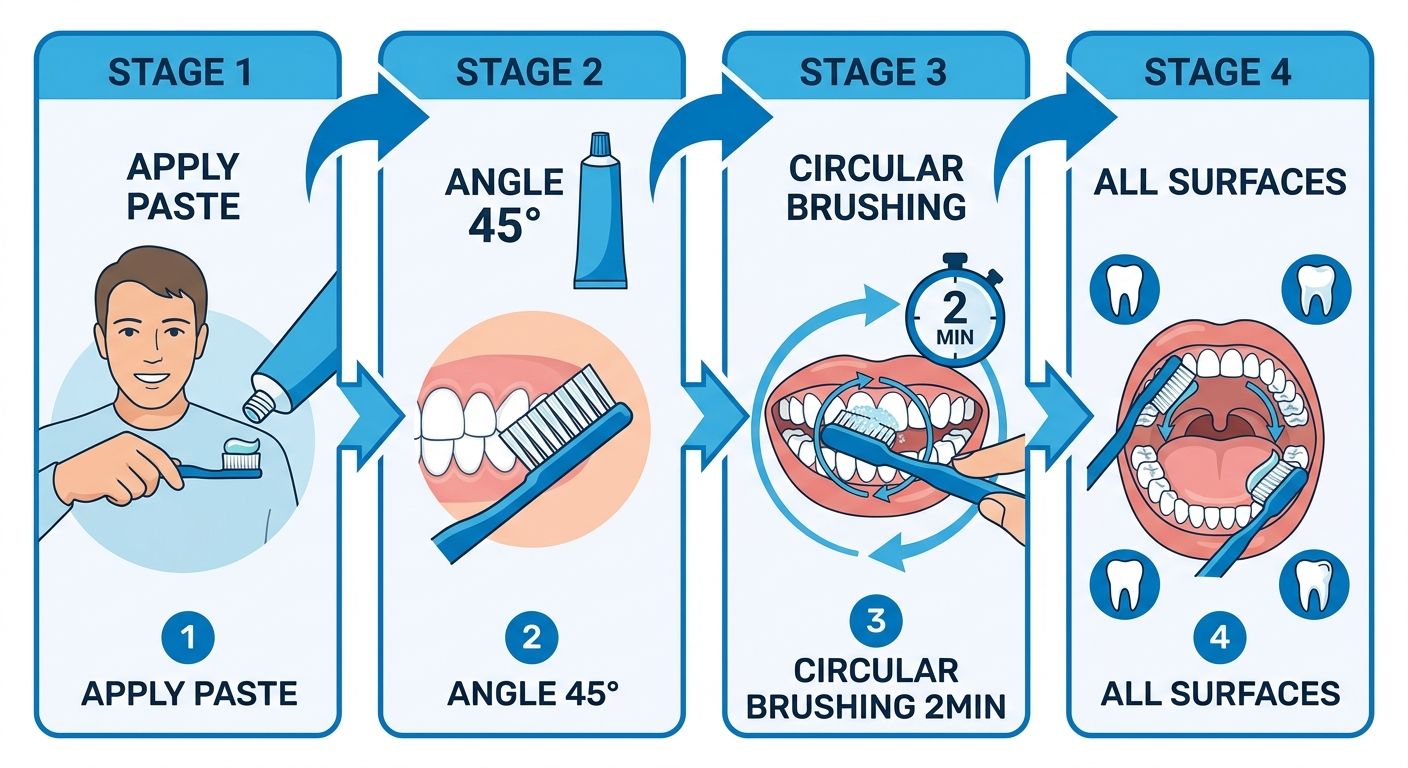
    Four-step family brushing routine infographic with fluoride toothpaste application, 45-degree brushing angle, two-minute circular brushing, and all tooth surfaces coverage
    Build a consistent family brushing routine in four steps

    Once a daily dental routine feels automatic, you can layer in the next essential step — adding flossing to your oral care lineup.

    2. Floss: The Missing Step in Family Oral Care

    Looking for family dental health tips 2026 to boost your household’s routine? Many London families diligently brush twice a day but skip the one habit that cleans the spaces a toothbrush simply cannot reach. At Smilo Family Dental, we see flossing as the quiet hero of preventive dental care routines — it gently removes the plaque and food debris trapped between teeth, stopping gum inflammation and cavities before they start.

    We encourage parents to start children young. As soon as two little teeth touch, usually around age two or three, gentle floss picks or soft ribbon floss can clear those tight spots without irritating sensitive gums. For toddlers, kneeling face-to-face and making it a playful countdown works wonders; for school-aged kids, letting them choose colourful flossers builds ownership. When parents floss alongside their children, it becomes a shared moment rather than a chore, reinforcing Gentle care, for every generation.

    Timing matters. Flossing before brushing loosens hidden debris so that the fluoride from toothpaste can reach between teeth more effectively, supporting early childhood tooth decay prevention. Paired with regular checkups, this simple step rounds out a genuinely protective routine. It takes only a minute, costs very little, and gives every smile in the house a healthier foundation — a habit worth keeping all year long.

    3. Choose the Right Toothbrush for Better Gum Health

    As part of your family dental health tips 2026, selecting the right toothbrush plays a direct role in gum health. The Canadian Dental Association (CDA) recommends focusing on a few key features for every family member. Your toothbrush truly is the cornerstone of preventive dental care routines.

    • Soft bristles prevent gum irritation and enamel wear.
    • A small head easily reaches tight spaces and gumlines.
    • Replace your brush every 3–4 months, or sooner if bristles splay.
    • Electric brushes with pressure sensors help avoid excessive force; manual brushing works well with proper technique.
    • Look for the CDA Seal of Recognition as a mark of quality.
    • Pro tip: rotate two brushes so one stays dry between uses, reducing bacteria.

    For children, an extra-soft, small-headed brush with a large handle supports early childhood tooth decay prevention while being easy for little hands to hold.

    We believe in gentle care, for every generation—and it starts with the right toothbrush. For more official oral health guidance, you can also consult the Government of Canada. Once you’ve chosen the right brush, proper technique can further protect your gums, helping you experience stress-free, award-winning dental care.

    4. Prevent Cavities in Children with Simple Habits

    Establishing in family dental health tips 2026 is one of the most impactful steps you can take for your child’s lifelong smile. At Smilo Family Dental, we believe that preventive dental care routines should feel simple and achievable, seamlessly fitting into your family’s day.

    We recommend these gentle, effective habits to keep little teeth strong and cavity-free:

    • Brush Together Twice a Day: Use a pea-sized amount of fluoride toothpaste and supervise brushing until your child is about 7 or 8 years old. This simple act is the foundation of child cavity prevention.
    • Floss Once Teeth Touch: Introduce a child-friendly flosser as soon as two teeth meet, making it a fun and easy part of their nightly ritual. This completes a thorough preventive dental care routine.
    • Choose Water Over Sugary Drinks: Limit sugary snacks and avoid frequent sipping on juice or other sweet beverages. Water is the best choice for early childhood tooth decay prevention throughout the day.
    • Start Dental Checkups Early: The Canadian Paediatric Society and Government of Canada recommend a child’s first visit by their first birthday or when their first tooth appears, and continuing with regular checkups every six months.
    • Trust in Fluoride: Fluoride is a natural mineral that helps remineralize enamel and fight early childhood tooth decay, making it a vital part of pediatric oral care habits.

    Gentle care, for every generation, starts with these simple steps. Our team is here to support your family’s journey to healthy smiles with stress-free, award-winning care. We invite you to book a checkup and make up-to-date family dental health tips 2026 part of your routine today.

    5. Eat for Strong Enamel

    Beyond cleaning routines, what you eat also builds strong enamel. As part of your family dental health tips for 2026, we recommend filling your plate with calcium-rich foods like dairy, leafy greens, and almonds—these support remineralization to strengthen enamel. Vitamin D from egg yolks and fatty fish helps your body use that calcium, while phosphorus in meat, eggs, and fish adds extra protection. And don’t forget water—whether fluoridated or plain, it rinshes away acids and debris that can weaken teeth. According to the FDI World Dental Federation, a balanced diet low in sugar is essential for lifelong oral health.

    For parents, choosing the right snacks is a key part of early childhood tooth decay prevention. Limit sticky, sugary treats like candy and dried fruit, which cling to teeth and feed decay-causing bacteria. Acidic drinks like soda or citrus juice can erode enamel, so we suggest swapping them for water or milk, or using a straw to minimize contact.

    Small eating habits make a big difference. Pair acidic foods with dairy (yes, cheese counts!) to buffer pH and reduce acid wear. Avoid brushing immediately after an acidic meal or drink, as softened enamel can be damaged; instead, rinse with water. Save sweets for mealtimes, when increased saliva helps protect your teeth. Incorporating these dietary choices into your preventive dental care routines will give your enamel the best chance to stay strong, though they’re general tips and not absolute guarantees.

    6. Understand the Mouth-Body Connection

    As we look ahead with family dental health tips 2026, understanding the mouth-body connection is key to whole-family wellness. At Smilo Family Dental, we see oral health as more than just a bright smile—it’s a window into your overall well-being. The FDI World Dental Federation defines oral health as an essential part of general health and quality of life, a view we champion every day. Research from the Government of Canada shows that conditions like periodontitis are linked to diabetes, heart disease, and stroke. Gum disease may also increase the risk of pregnancy complications such as preterm birth and low birth weight. This mouth-health connection means preventive dental care routines support more than your teeth—they help protect your entire body. Early childhood tooth decay prevention is vital, too, because poor oral health in children can affect growth and development. Even signs like bleeding gums can signal broader issues. Gentle care, for every generation starts with recognizing that a healthy mouth supports a healthier life.

    7. Make Dental Visits a Positive Family Experience

    As part of our family dental health tips for 2026, we recommend creating a welcoming environment that puts every family member at ease. A positive first visit can set the tone for lifelong oral health. These family dental health tips for 2026 can help establish a foundation of trust and comfort for patients of all ages.

    Schedule family appointments together to normalize the experience and reduce individual anxiety. Our team encourages parents to use friendly, encouraging language when discussing dental visits, avoiding words that might cause unnecessary worry. Early childhood tooth decay prevention starts with positive first impressions, and our preventive dental care routines include gentle cleanings and exams designed for even the youngest smiles.

    For parents who need restorative solutions, we offer gentle and effective dental implants as part of our full-service family dentistry. Our minimally invasive techniques, such as air abrasion and laser dentistry, make procedures more comfortable for everyone. Small rewards like stickers or toothbrushes after checkups create lasting positive associations.

    Gentle care, for every generation. We use age-appropriate explanations and a compassionate approach so every visit feels safe and supportive. Experience Stress-Free, Award-Winning Dental Care with a team dedicated to your family’s comfort.

    8. Stay Ahead with 2026 Preventive Innovations

    At Smilo Family Dental, staying current with family dental health tips 2026 means integrating the latest preventive innovations into every visit. The Canadian Dental Association (CDA) recommends routine preventive care as the cornerstone of a healthy smile, and we build on that foundation with gentle, technology-driven approaches.

    Our office uses air abrasion for early cavity detection without the need for traditional drills, making the experience more comfortable for patients of all ages. Laser dentistry allows us to screen for gum disease painlessly, and iTero digital scanning provides ongoing preventive monitoring that catches subtle changes early. These advanced tools work hand in hand with consistent preventive dental care routines to stop problems before they start.

    For our youngest patients, early childhood tooth decay prevention is especially important. By combining gentle laser screenings and digital scans with regular checkups, we help families avoid the discomfort of cavities and invasive procedures. We invite you to book a preventive checkup today and experience how our gentle care, for every generation, keeps smiles healthy and bright.

    Your Family’s Path to a Healthier Smile in 2026

    Looking for family dental health tips 2026 to kick off your new year? Our approach to family dental care is built on gentle, consistent habits that protect every smile in your household. From early childhood tooth decay prevention in London, Ontario to preventive dental care routines for teens and adults, we focus on minimally invasive techniques and education. The Canadian Dental Association reminds us that healthy smiles start with good habits at a young age, and our team is here to make that journey stress-free for every generation. Book your family’s first checkup of 2026 today — our flexible scheduling and custom-quote process make it easy to prioritize oral health without added stress. Let’s talk about what works for your family’s schedule and budget.

    Resources

  • Pediatric Dental Care Best Practices: Expert Guide for 2026

    Table of Contents

    Pediatric Dental Care Best Practices for London Families

    Establishing pediatric dental care best practices early sets the foundation for a lifetime of healthy smiles. For families in London, Ontario, these best practices begin with a child’s first dental visit, which we recommend scheduling by age one or within six months of their first tooth appearing. Our experienced pediatric team at Smilo Family Dental believes that early, preventive care is the most effective way to support your child’s developing oral health in a comfortable, reassuring environment.

    Preventive pediatric protocols form the cornerstone of our approach, with regular dental checkups every six months allowing us to monitor growth and detect potential issues early. We integrate minimally invasive techniques, such as air abrasion and digital x-rays, to make treatments as gentle as possible. During these visits, we focus on best practices for children’s oral health, including professional cleanings and discussing the benefits of protective treatments. When appropriate, we use dental sealants to shield vulnerable back teeth and provide fluoride treatment to strengthen developing enamel. Our London, Ontario families trust our experienced pediatric dentist to deliver age-appropriate care that helps prevent tooth decay without causing anxiety.

    Building a trusted dental home is a key part of our gentle dental routines for kids, and it helps make each subsequent visit a positive, familiar experience. We focus on creating a calm clinical atmosphere and using a reassuring, educational approach that aims to reduce fear and build lasting confidence in the dentist’s chair. By making early preventive care a natural part of your child’s routine, we help establish the habits that protect their smile well into adulthood. Gentle care, for every generation.

    Building a Foundation for Lifelong Oral Health

    Establishing a strong foundation for your child’s oral health begins long before their first tooth appears. Following pediatric dental care best practices from infancy helps prevent cavities and creates positive habits that will last a lifetime. At Smilo Family Dental, we believe that gentle, consistent care from the very start is what sets the stage for healthy smiles through every generation.

    The table below offers a quick overview of how daily oral care evolves from infancy through the preschool years. Use it as your go-to reference as your little one grows.

    Age-based Oral Care Routines
    Age GroupKey HabitsProducts to UseProfessional Visits
    Infants (0–12 months)Wipe gums after feeding; begin brushing when first tooth appearsSoft-bristled infant toothbrush, fluoride-free training toothpasteFirst dental visit by age 1 or within 6 months of first tooth
    Toddlers (1–3 years)Brush twice daily with supervision; limit sugary drinksPea-sized amount of fluoride toothpaste, age-appropriate brushEvery 6 months for exam and professional fluoride varnish
    Preschoolers (3–5 years)Brush independently with supervision; floss when teeth touch; avoid bedtime bottlesFluoride toothpaste, child-friendly floss picks, mouthguard if neededContinue 6-month checkups; discuss sealants for first permanent molars

    We know that every smile we care for deserves a routine that matches its stage of development. With Gentle care, for every generation, our team is here to guide you through each new phase so that you and your child can Experience Stress-Free, Award-Winning Dental Care right from the very first visit.

    Infants (0–12 months): The Beginning of Bright Smiles

    Oral care truly starts right from birth. After each feeding, we recommend gently wiping your baby’s gums with a clean, damp cloth. This simple step removes bacteria and sugars, keeping the mouth fresh before teeth even erupt. When that first little tooth peeps through, it is time to graduate to a soft-bristled infant toothbrush and a smear of fluoride-free training toothpaste. Brush twice daily, focusing on the new tooth and the surrounding gums.

    The Canadian Dental Association advises scheduling the initial dental visit by age one, or within six months of the first tooth’s arrival. This milestone appointment helps establish a dental home where your child’s unique needs are understood from the start. Finding a trusted pediatric dentist in London, ON makes this first encounter a positive, reassuring experience for both parent and child.

    Toddlers (1–3 years): Growing Independence and Stronger Teeth

    As your baby becomes a busy toddler, oral care routines evolve to keep pace with their development. We encourage parents to continue brushing twice daily, now using a pea-sized amount of fluoride toothpaste. Because toddlers are still learning to spit rather than swallow, direct supervision during brushing is essential. Limiting sugary drinks, including juice, and offering water between meals further protects those precious baby teeth.

    Professional checkups every six months play a critical role at this stage. During these visits we apply fluoride varnish, a highly effective preventive treatment that strengthens developing enamel and significantly reduces cavity risk. Our own FAQ guidance at Smilo Family Dental confirms that regular professional fluoride applications are one of the most reliable ways to keep toddler teeth strong and healthy.

    Preschoolers (3–5 years): Building Independence with Support

    Preschoolers are eager to do things “all by myself,” and brushing is no exception. We support this growing independence while reminding parents that a grown-up should still supervise to ensure every tooth surface is reached. When teeth begin to touch, it is time to introduce daily flossing. Child-friendly floss picks make this new habit easier for small hands and more engaging for reluctant flossers. At this age we also stress the importance of avoiding bedtime bottles that contain anything other than plain water, because prolonged exposure to milk or juice overnight can quickly lead to decay.

    Around age six the first permanent molars typically erupt, which means preschool checkups are the perfect opportunity to discuss dental sealants. These thin, protective coatings are painted onto the chewing surfaces of back teeth, shielding the deep grooves where cavities often start. Combined with ongoing fluoride treatment, sealants give your child’s adult teeth powerful protection from day one.

    After establishing daily routines that grow with your child, let’s explore the professional treatments that give your child’s smile extra protection against common childhood dental issues.

    Preventive Treatments: Dental Sealants and Fluoride Varnish

    Beyond brushing and flossing, we offer two powerful preventive treatments that give your child’s teeth an extra layer of protection. As part of pediatric dental care best practices, dental sealants and fluoride varnish work together to significantly reduce the risk of childhood cavities.

    Dental Sealants: How They Protect Permanent Molars

    Dental sealants are thin, plastic coatings painted onto the chewing surfaces of permanent molars. The back teeth have deep pits and fissures where food particles and cavity-causing bacteria easily get trapped, making them vulnerable even with good brushing habits. A sealant fills in these grooves, creating a smooth, easy-to-clean surface that physically blocks decay before it starts.

    The ideal time for sealant application is when the first permanent molars erupt, typically around 6–7 years, and again when the second molars come in at 12–13 years. This timing lets us protect the teeth from the moment they appear, long before any signs of decay could develop.

    Applying sealants is one of the quickest and easiest procedures we do. There is absolutely no drilling or numbing involved — we simply clean and dry the tooth, apply a gentle conditioning gel to help the sealant bond, paint on the liquid resin, and then harden it with a special curing light. The entire process takes just a few minutes per tooth and is completely painless for your child. A pediatric dentist can assess your child’s molars and recommend the ideal timing for sealants, ensuring they receive maximum protection during these critical developmental windows.

    Our own clinical experience and patient education resources consistently show that sealants provide reliable, long-term defense. When properly maintained with regular checkups, a single application can last 5–10 years, after which we can easily reapply if needed. Because sealants are a non-invasive treatment that never requires removing any tooth structure, they sit comfortably on the tooth and your child won’t even know they’re there.

    Professional Fluoride Treatments: Benefits and Frequency

    Professional fluoride treatment, most often delivered as a concentrated varnish, is a topical therapy that remineralizes and strengthens tooth enamel across all surfaces. Unlike sealants that target specific fissures, fluoride works to repair microscopic weak spots anywhere on the teeth, making the entire enamel layer more resistant to the acid attacks that cause cavities.

    We can begin applying fluoride varnish as early as the eruption of the very first baby tooth, which makes it an invaluable preventive tool even for toddlers. At every routine checkup, which we recommend every six months, our team paints a thin layer of varnish directly onto each tooth. The application itself is fast, entirely painless, and well-tolerated by even the youngest children. The varnish sets immediately upon contact with saliva, hardening into a temporary shield that actively draws minerals like calcium and phosphate back into the enamel.

    Getting the most benefit from fluoride varnish depends on simple aftercare. According to our clinic’s official aftercare guidance, it is important to wait 30 minutes before eating or drinking anything so the varnish can fully absorb and bond to the teeth. We also suggest sticking to soft foods for the rest of the day and avoiding hot beverages to prevent the varnish from softening. These small steps make a meaningful difference in how long the protective effects last.

    Regular, six-month fluoride applications can reduce the incidence of early childhood carie by up to 40% over time. By strengthening enamel and even reversing very early signs of decay, fluoride treatment is one of the most effective and simple ways we support your child’s foundation for lifelong oral health.

    Sealants vs. Fluoride: A Side-by-Side Comparison

    To help you decide, here is a side-by-side comparison of sealants and fluoride varnish. Understanding the unique role each plays makes it easier to see how these treatments complement each other in a complete preventive plan.

    Sealants vs. Fluoride Varnish for Children
    FeatureDental SealantsFluoride Varnish
    Primary PurposePhysical barrier that seals pits and fissures of molarsTopical fluoride application that remineralizes all tooth surfaces
    Typical Age for First Application6–7 years (first permanent molars); 12–13 years (second permanent molars)As early as first tooth eruption; every 6 months thereafter
    Longevity5–10 years with proper care; can be re-appliedLasts several months; re-applied at each dental visit
    Pain / DiscomfortNone – non-invasive, no drillingNone – quick paint-on application
    Safety for ToddlersNot typically used on primary teeth; reserved for permanent molarsSafe for toddlers when applied by a professional; immediate supervision ensures no swallowing
    Cavity Reduction (studies)80% reduction in pit-and-fissure caries over 2 yearsUp to 40% reduction in early childhood caries with regular application

    The table highlights why we recommend both strategies for comprehensive protection: sealants deliver targeted, long-lasting defense for back teeth, while fluoride varnish strengthens all surfaces and benefits children of every age. These study-based estimates underscore how preventive care dramatically lowers cavity risk without any discomfort or recovery time.

    Preventive treatments for kids: dental sealants vs. fluoride varnish.

    We understand that every child is unique, and the right combination of treatments depends on factors like tooth eruption timing, existing cavity history, and daily habits. Our pediatric dentist can help you choose the best preventive plan for your child. Book a checkup today to discuss sealants and fluoride treatment. Because we truly believe in gentle care, for every generation, our approach is always tailored to keep your child comfortable, informed, and excited about their smile.

    Supporting Your Child’s Dental Visit and Home Care Routine

    Now that you understand why early dental visits matter, we’re here to share the practical steps that make each visit successful and build strong at-home habits. In pediatric dental care best practices, a supportive, family-focused approach helps children feel safe and parents feel confident. At Smilo Family Dental, we believe that gentle care, for every generation, starts with preparation and prevention.

    Preparing for the First Dental Visit

    A little planning turns your child’s first appointment into a positive adventure. We recommend booking during a calm, unhurried time of day when your child is usually well-rested. Here’s a handy checklist for what to bring and how to get ready:

    • Bring your child’s health card, insurance details, and a list of any medications.
    • Talk about the visit using friendly, positive words—mention “counting teeth” and “a gentle ride in the chair,” and avoid words like “pain” or “needle.”
    • Before the visit, you can check the RCDSO dentist registry to confirm your dentist is licensed and in good standing.
    • Pack a favourite small toy or comfort item for reassurance.

    During the CDA-recommended age-1 exam, we focus on making your little one feel welcome. The experience includes a gentle ride in the chair, counting teeth, and showing you how to care for those new smiles at home. We’ll also apply a fluoride varnish to protect tiny teeth and answer all your questions.

    Home Care Strategies for Cavity Prevention

    Building a consistent routine at home is one of the most powerful ways to prevent cavities. We encourage brushing twice a day with a pea-sized amount of fluoride toothpaste as soon as the first tooth appears. As soon as two teeth touch, it’s time to start flossing gently each day. These small habits help protect developing enamel and keep gums healthy. Limiting sugary snacks and drinks—especially juice and soda—also makes a big difference. Water is the best choice between meals and at bedtime. Our team often recommends preventive treatments like dental sealants for protecting molars and professional fluoride treatment to strengthen teeth. Sealants are a thin plastic coating applied to the chewing surfaces of back teeth, creating a smooth, easy-to-clean barrier against cavity-causing bacteria. We typically suggest sealants once permanent molars erupt, giving your child’s smile extra protection during cavity-prone years.

    Anxiety-Reduction Techniques That Work

    Every child is unique, so we tailor our approach to help each young patient feel at ease. One of our most trusted methods is tell-show-do: we first explain each step in child-friendly language, demonstrate it on a model or finger, and then perform it gently in your child’s mouth—effective for ages 3–8. We also use distillation during treatment, such as a favourite video or an engaging conversation, which can be adapted for any age with the right content. Positive reinforcement, like praise, stickers, or a small reward after cooperative behavior, encourages confidence in children aged 2–10. For older kids (8+), breathing and relaxation exercises—deep belly breaths, visualizing a happy place, or progressive muscle relaxation—help calm nerves. The following table compares these common techniques so you and our team can choose the best approach for your child.

    Techniques to Ease Dental Anxiety in Children
    TechniqueHow It WorksBest For Age GroupPreparation Needed
    Tell-Show-DoExplain step by step, demonstrate on a model, then apply in the child’s mouth3–8 yearsNo special equipment; clinician training required
    Distraction (toys, videos, conversation)Redirect attention away from dental instruments during the procedureAll ages (content tailored)Bring a favourite small toy or agree on a video beforehand
    Positive ReinforcementPraise, stickers, or small rewards after cooperative behaviour2–10 yearsClinic supplies rewards; parents reinforce at home
    Breathing / Relaxation ExercisesDeep breathing, visual imagery, or progressive muscle relaxation8+ yearsPractice at home; clinician coaches during visit

    We find that a combination of these techniques often works best. Our team will talk through the options with you and adapt as we learn what makes your child most comfortable.

    With these supportive strategies in place—preparing early, maintaining daily routines, and using anxiety-reducing techniques—your child can enjoy a lifetime of healthy smiles. At Smilo Family Dental, we’re honoured to be your partners in gentle, family-focused care.

    Caring for Older Children and Teens

    As your child enters the tween and teen years, their dental needs change in exciting ways, and pediatric dental care best practices evolve to address new risks. At Smilo Family Dental, we help families in London navigate this transition with personalized guidance for adolescents. We focus on protecting second molars, preventing sports injuries, and maintaining hygiene with braces, so your teen’s growing independence is supported by strong oral health habits.

    Understanding these differences helps you support your teen’s growing independence while ensuring their smile stays healthy.

    When we talk about dental sealants for older children, our team often refers parents to our own FAQ, where Smilo Family Dental explains that sealants are safe and effective when applied to second molars in adolescents. This is one of the most reliable ways to shield these new permanent teeth from decay. At the same time, a fluoride treatment in adolescents continues to be a cornerstone of cavity prevention. Our FAQ on fluoride safety confirms that fluoride toothpaste and mouthwash are safe for teens, though we caution that acidic drinks like sports beverages and soda can erode enamel. We suggest rinsing with water after consumption to help neutralize acids.

    Teens often feel self-conscious about their appearance—especially if they wear braces or notice discoloration—and fear of pain from extractions or orthodontic adjustments is common. We use minimally invasive techniques and advanced diagnostics to make visits as comfortable as possible. As parents, you can encourage independence while monitoring compliance: remind your teen to avoid sticky foods with braces and to wear a properly fitted mouthguard consistently during sports. Our team can help with custom mouthguard fitting and provide braces-friendly hygiene tips.

    Helping your teen build confidence in their oral care routine now sets the foundation for a lifetime of healthy smiles. Experience Stress-Free, Award-Winning Dental Care with Smilo Family Dental, where gentle care, for every generation, is more than a promise—it’s how we practice every day.

    Frequently Asked Questions About Pediatric Dental Care

    Wondering about pediatric dental care best practices? Here are answers to common questions we hear from parents. We recommend a first visit by age one. Q: At what age should my child first see a dentist? According to our pediatric guidelines, schedule the first dental visit by your child’s first birthday or when the first tooth appears. Q: Are dental sealants safe for kids? Yes—dental sealants are a safe, protective coating that shields chewing surfaces. In our practice, we explain sealants differ from fillings: a filling repairs a cavity, while a child’s dental sealant is a preventive layer applied to healthy enamel. Q: How does fluoride treatment help? A professional fluoride treatment strengthens developing enamel, making teeth more resistant to decay and supporting children’s preventive care. Gentle care, for every generation—our team is here to help your child smile with confidence.

    Nurturing a Lifetime of Healthy Smiles

    The foundation for a lifetime of healthy smiles truly begins in childhood, and early, positive dental experiences are key to building lasting oral health habits. At Smilo Family Dental, we combine gentle, minimally invasive techniques with a warm, family-first atmosphere to make every visit stress-free. Gentle care, for every generation, is our commitment to your family. We look forward to caring for your family’s smiles for years to come, with kindness, gentle guidance, and ongoing preventive support.

    Resources